Sustainable Real Estate Investment Strategies & Advanced Financial Analysis
Structural Shifts in the Gulf Real Estate Landscape: From Boom to Strategic Maturity
The real estate sector in the Gulf region—particularly in the Kingdom of Bahrain and the Kingdom of Saudi Arabia—is undergoing a fundamental transformation as of 2026. The market has shifted from a phase of rapid and often unregulated growth (2023–2025) to a stage of “balanced maturity.” This transition is not merely a response to temporary economic fluctuations; rather, it reflects a deeper strategic commitment to strengthening international cooperation, driving sustainable economic growth, and creating meaningful employment opportunities within an evolving global landscape.
Successful Real Estate Investment Strategies: A Comparative Asset Approach
Achieving success in today’s real estate market requires moving beyond the traditional “buy and hold” mindset and adopting specialized strategies that balance cash flow with capital appreciation.
Buy-to-Let Strategy
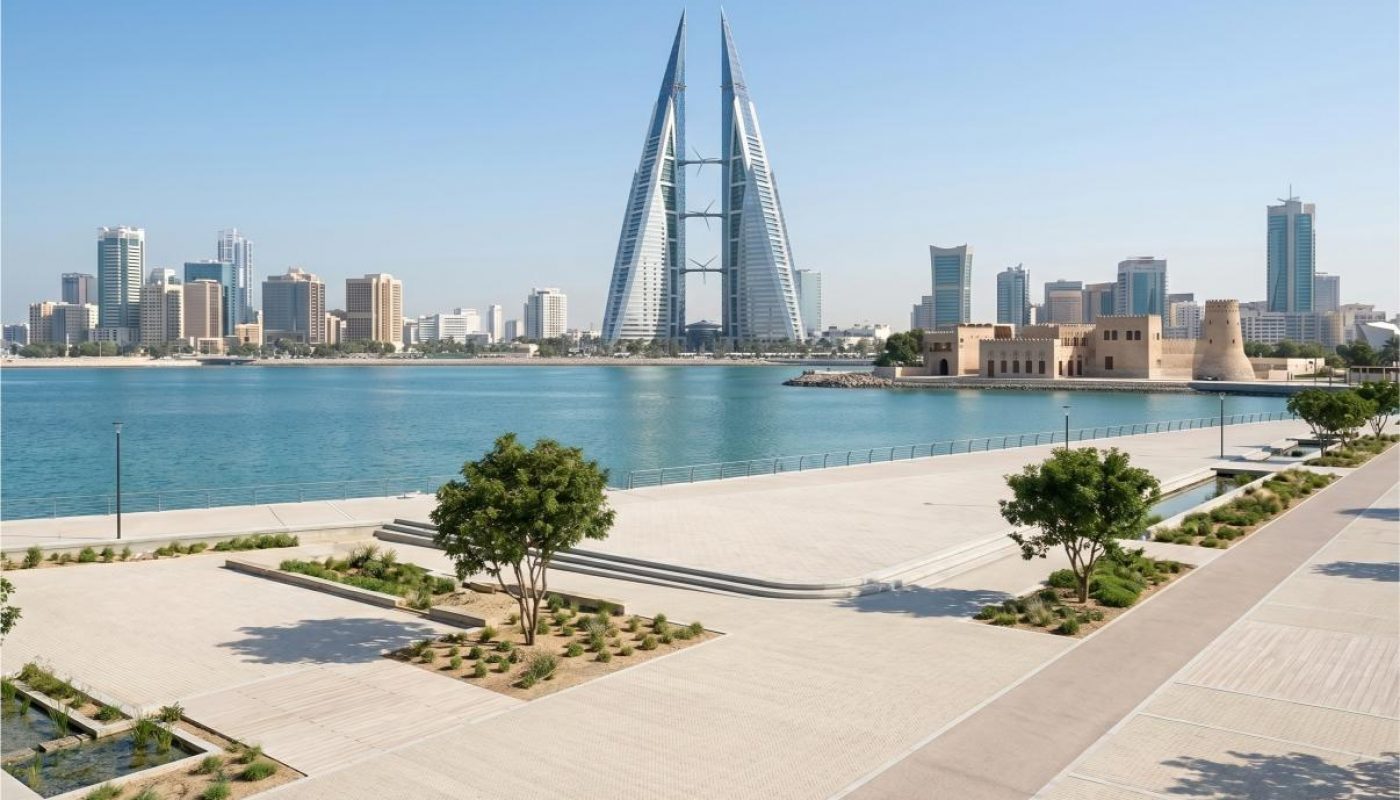
This remains a preferred approach for investors seeking stable, recurring income similar to a monthly salary. In Bahrain, the rental market offers gross yields of up to 7%, ranking among the highest in the region. However, market maturity demands a more strategic focus on locations with sustained demand—such as Juffair, known for strong short- and long-term rental demand, or premium areas like Bahrain Bay and Diyar Al Muharraq.
Successful investors in 2026 prioritize properties that offer added value, such as high-speed internet and dedicated home office spaces, in response to evolving work patterns and lifestyle needs.
Fix and Flip Strategy
This strategy involves acquiring properties below market value—often due to required renovations or seller circumstances—then enhancing their market appeal (curb appeal) through strategic improvements before reselling at a profit.
Success in this approach depends heavily on contractual safeguards, particularly contingency clauses that allow buyers to conduct thorough inspections and withdraw from the deal if undisclosed structural issues are discovered.
Real Estate Investment Trusts (REITs)
REITs provide an accessible entry point for both individual and institutional investors to participate in large-scale real estate projects—such as commercial centers and healthcare facilities—without direct ownership or the burden of day-to-day management.
In Bahrain, REITs are gaining importance with increasing interest from investors in Saudi Arabia and Kuwait. This trend is opening new opportunities for developing integrated residential communities that offer consistent and diversified returns.