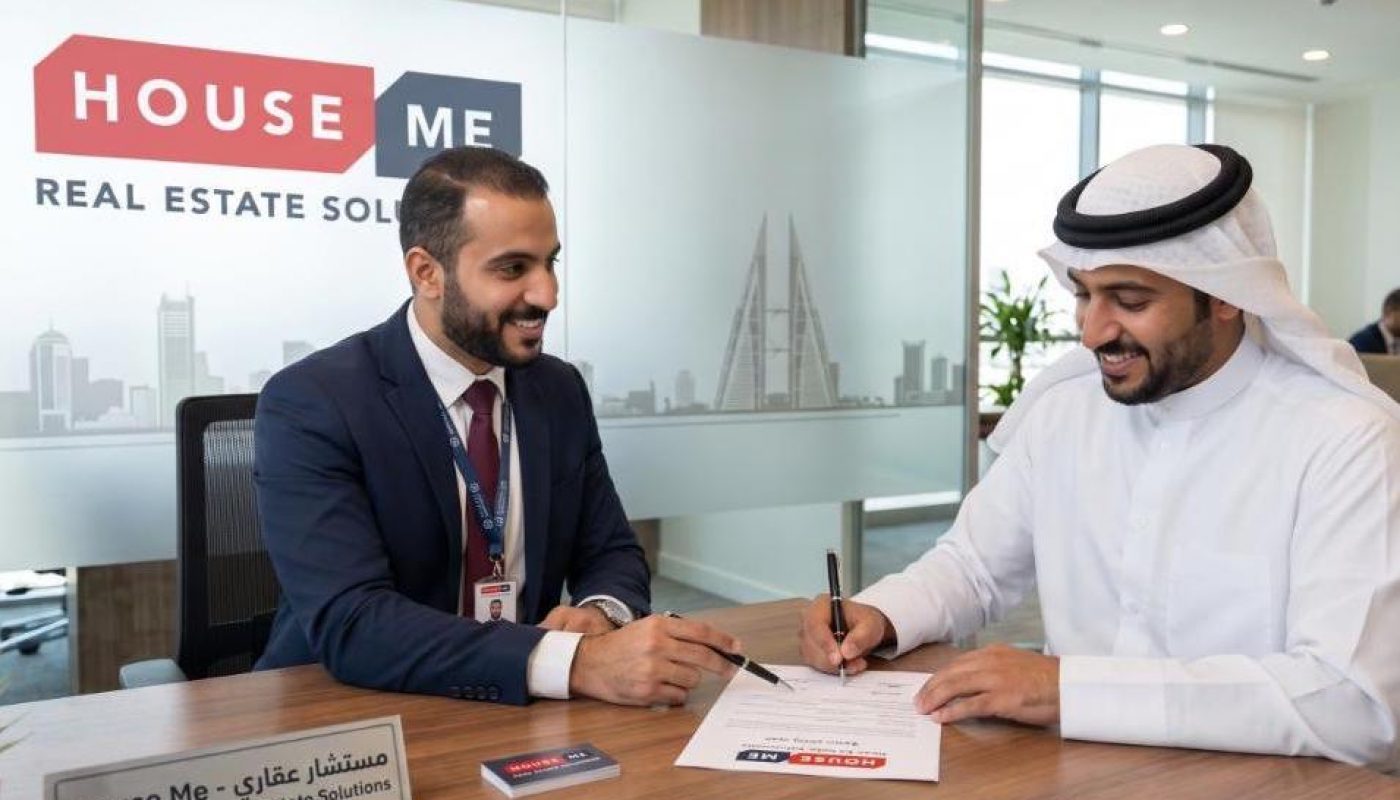
The Importance of Annual Lease Agreements in Stabilizing Cash Flow: A Pillar of Sustainable Real Estate Investment and House Me’s Model in Bahrain
The Philosophy of Cash Flow: The Lifeline of Real Estate Investment
Consistent and predictable net cash flow is the foundation of every successful real estate investment. The true strength of a property is not measured solely by its market value or future capital appreciation, but by its ability to generate stable, recurring rental income over time.
Whether managing individual properties or institutional portfolios, one of the greatest challenges facing property owners is fluctuating income caused by unexpected vacancies and high tenant turnover. These disruptions not only reduce investment returns but also drain financial reserves through ongoing operating expenses, maintenance costs, and the repeated preparation of units for new tenants.
Against this backdrop, annual lease agreements emerge as a strategic financial and legal tool that promotes financial discipline while reducing exposure to market fluctuations.
A tenant’s commitment to a twelve-month lease creates a more secure, lower-risk operating model. Long-term occupancy enables investors and property owners to plan their finances with greater confidence, meet mortgage and financing obligations, and reinvest rental income without the uncertainty of seasonal market changes or temporary economic slowdowns.
The Operational Impact of Annual Leases: Reducing Hidden Costs and Protecting Assets
One of the most overlooked threats to real estate profitability is the cost of tenant turnover. Every time a short-term lease ends or a tenant vacates a property, the owner faces a series of hidden expenses that gradually erode profits, including:
Maintenance and refurbishment costs: Repainting walls, repairing wear and tear, and carrying out deep cleaning to prepare the property for the next tenant.
Marketing and brokerage expenses: Advertising costs across property platforms and commissions paid to real estate brokers to secure new tenants.
Vacancy periods: Days or weeks during which the property generates no rental income while the owner continues to pay utility bills, maintenance charges, and other operational expenses.
Annual lease agreements significantly reduce these costs by ensuring continuous occupancy for a full year or longer. Fewer move-ins and move-outs reduce wear and tear on the property, preserve its condition, and lower maintenance requirements over time.
Long-term tenants also tend to develop a greater sense of stability and responsibility toward the property. They are generally more inclined to maintain the unit, report maintenance issues early, and build constructive relationships with property management, allowing minor issues to be resolved before they develop into costly structural repairs.
Bahrain’s Legal Framework: Strengthening Cash Flow Security
The effectiveness of annual lease agreements in stabilizing cash flow is reinforced by Bahrain’s well-established legal framework, overseen by the Real Estate Regulatory Authority (RERA) and the Survey and Land Registration Bureau (SLRB). The cornerstone of this framework is Bahrain’s Tenancy Law No. (27) of 2014, which provides strong legal protection for both landlords and tenants.
Under Article 3 of the law, lease agreements must be officially registered. A registered written lease can obtain the status of an enforceable instrument, granting landlords the legal right to apply directly to the Enforcement Court to recover possession of the property upon lease expiry or collect unpaid rent through legal enforcement—without the need for lengthy court proceedings that could otherwise freeze rental income for months or even years.
The law further supports stable cash flow by regulating annual rent increases and requiring a mandatory three-month notice period before the expiration of lease agreements. These legal safeguards reduce the risk of unexpected vacancies and provide landlords with sufficient time to renew leases or secure qualified replacement tenants without interrupting rental income.
House Me’s Professional Property Management: Institutionalizing Financial Stability
Successfully implementing this investment strategy requires an experienced property management partner capable of maximizing the value of annual lease agreements. This is where House Me, established in Bahrain in 2010, stands out as a leading provider of professional property and facility management services focused on delivering sustainable investment returns.
House Me follows a comprehensive approach that begins well before the lease is signed and continues throughout its duration:
Comprehensive tenant screening: The company conducts thorough background checks, verifies tenant identity, reviews financial capability, and evaluates creditworthiness to ensure reliable rent payments throughout the lease term.
Market-driven rental valuation: Supported by a Category A licensed valuation team, House Me performs detailed market analysis to determine competitive and realistic rental rates that minimize vacancies while maximizing occupancy and long-term returns.
Digital lease registration and preventive maintenance: House Me electronically registers lease agreements to secure their legal enforceability, conducts routine inspections, implements preventive maintenance programs, and provides 24/7 emergency support. These services enhance tenant satisfaction, encourage lease renewals, and contribute to long-term occupancy.
By partnering with House Me, real estate investment becomes a truly passive and professionally managed income source rather than an administrative burden involving rent collection, maintenance coordination, and tenant management. Property owners benefit from stable cash flow, reduced operational risks, peace of mind, and the long-term growth of their real estate assets under the guidance of experienced industry professionals in Bahrain.